

Systems thinking
Why your business problems keep coming back
There are four kinds of problems. Tell which one you're in, and you'll stop applying the wrong fix.
 The IBIS teamLegacy Live Web14 Jun 20266 min read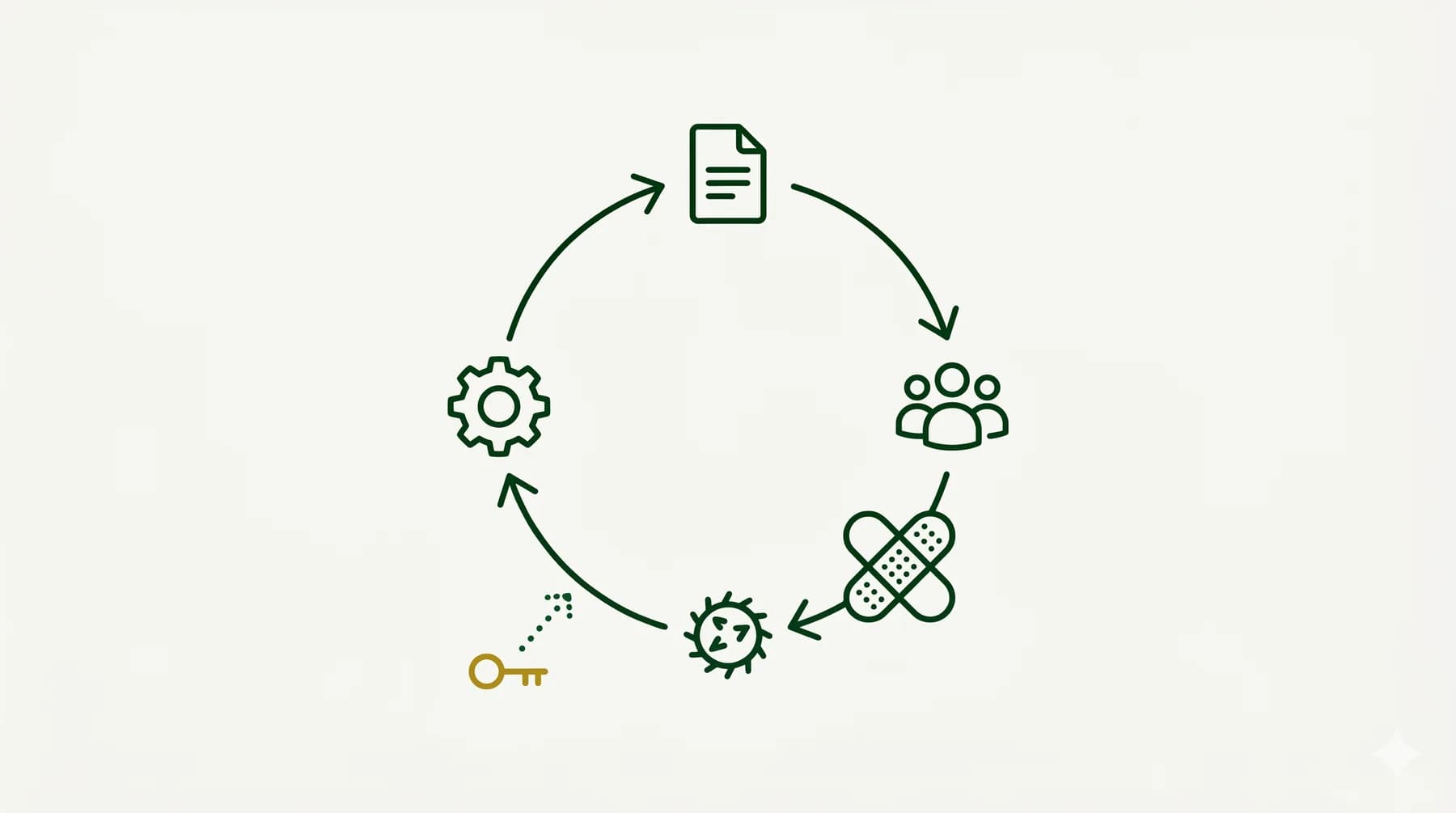
Some problems come back no matter how many times you solve them. Usually that's a sign you reached for the wrong kind of fix. A useful old idea splits problems into four kinds, and each kind needs a different move.
Clear problems: sense, then follow the recipe
These are settled. There's a right answer and a known way to get it — issuing a compliant invoice, filing a return on time. The move is a checklist, not a debate. Write the steps down once and follow them.
Complicated problems: analyse, then bring in expertise
Here a right answer exists, but you need knowledge to find it — structuring payroll, choosing a depreciation method. The move is analysis and an expert. It's worth paying for the person who's seen it before.
Complex problems: probe with small experiments
Pricing, hiring, a new market — cause and effect only make sense in hindsight. Big bets are dangerous. The move is a small, safe-to-fail experiment, watched closely, then amplified or dropped.
Chaotic problems: act first, stabilise, then investigate
A cash crunch, a key supplier gone overnight. There's no time to analyse. The move is to act, restore some stability, and only then work out what happened.
Most repeated problems are a complex situation being treated like a clear one — a checklist where an experiment was needed.
In IBIS
In IBIS, the Compass reads your business as a system and points to the kind of problem you're in — so you respond with the move that fits, not the one that's handy.
The IBIS team
Legacy Live Web — practical help for running a healthier business.
Comments
Loading comments…
Related reading

Systems thinking
Is your business being pulled, or pushed?

Systems thinking
The three things you can't see from inside your business

Money & compliance
Getting paid: a calm guide to invoices that don't get ignored
Put this into practice with IBIS.
One connected system for your whole business — priced to pay you back for using it.